

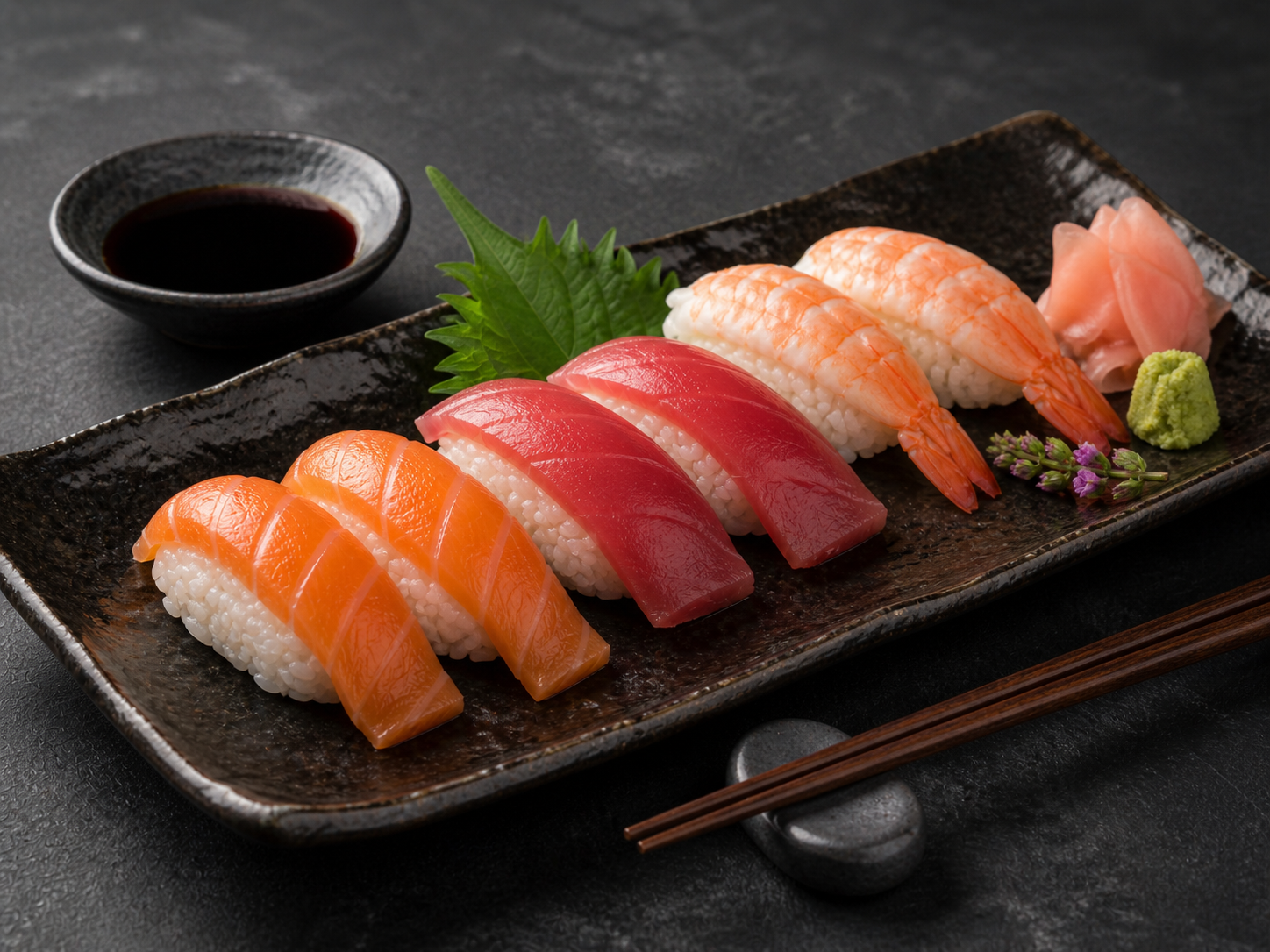
Nigiri Sushi Ultimate 2026 Masterclass
Silky fish, warm seasoned rice, and a tiny spark of wasabi make Nigiri Sushi feel almost too simple to be this impressive. The magic happens when each piece lands in your hand: glossy, balanced, lightly pressed, and ready to disappear in one bite.
This version wins because it focuses on the two things most home recipes rush: rice texture and fish handling. After testing multiple rice ratios, seasoning levels, shaping pressures, and slicing angles, this method gives you clean flavor, tender grains, and restaurant-style structure without turning your kitchen into a sushi bar audition.
Nigiri Sushi comes from Japan’s Edomae tradition, where hand-pressed vinegared rice and seafood became fast, elegant city food in old Edo, now Tokyo. Modern nigiri still honors that heritage: minimal ingredients, maximum precision, no hiding place for shortcuts.
The Science of Nigiri Sushi: Understanding the Chemistry
Great Nigiri Sushi depends on controlled moisture, temperature, pressure, and seasoning. In other words, it is not just “fish on rice.” It is edible architecture.
The rice, called shari, must feel gently sticky but never mushy. Short-grain Japanese rice contains more amylopectin than many long-grain varieties, which helps the grains cling together. However, rinsing matters because excess surface starch can turn the rice gluey. Rinse until the water runs mostly clear, then let the rice rest before cooking so the grains hydrate evenly.
The vinegar seasoning does three jobs. First, it adds brightness. Second, it balances the richness of fish. Third, it gives the rice that signature sushi aroma. Sugar softens the acidity, while salt sharpens the finish. The goal is not sweet rice. The goal is rice that tastes alive.
Temperature also matters. Warm rice shapes better than cold rice because the grains remain flexible. Cold rice hardens and cracks. Hot rice, however, can warm the fish too much and dull its clean texture. The sweet spot is slightly warm, close to body temperature.
Fish texture depends on slicing. A clean diagonal cut shortens muscle fibers and gives each topping, called neta, a tender bite. Thick slices feel clumsy. Paper-thin slices disappear. A good nigiri slice should drape over the rice like a silk sheet, with just enough weight to stay in place.
Finally, pressure decides everything. Press too hard and the rice becomes a brick. Press too lightly and the piece falls apart in soy sauce. Think “shape,” not “squeeze.” Your fingers should guide the rice into an oval while keeping air inside. That hidden air gives Nigiri Sushi its soft, luxurious bite.
Chef’s Note: The best nigiri feels secure in your fingers but loose in your mouth. If the rice collapses beautifully when you bite, you shaped it correctly.
Cultural Roots & Evolution
Nigiri Sushi belongs to the Edomae sushi family. “Edo” refers to old Tokyo, and “mae” means “in front of,” pointing to seafood once sourced from Edo Bay. The format suited a busy city: fast to make, easy to eat, and elegant enough to become culinary theater.
Before modern nigiri, sushi had older fermented forms where rice preserved fish. Over time, vinegar replaced long fermentation, creating a quicker style of seasoned rice. By the early nineteenth century, hand-pressed nigiri became popular in Edo as a practical street food. It was fast, portable, and deeply connected to local seafood culture.
Traditional Edomae chefs often used preservation techniques such as marinating, simmering, curing, or brushing with sauce. These methods highlighted flavor while respecting seasonality. Today, many restaurants serve fresh salmon, tuna, shrimp, scallop, tamago, eel, and more, but the soul remains the same: rice and topping must taste like one complete bite.
Modern homemade Nigiri Sushi does not need to copy a master counter exactly. Instead, it should respect the principle behind the craft. Buy excellent ingredients, season rice carefully, slice with intention, and serve immediately. That is where authenticity begins.
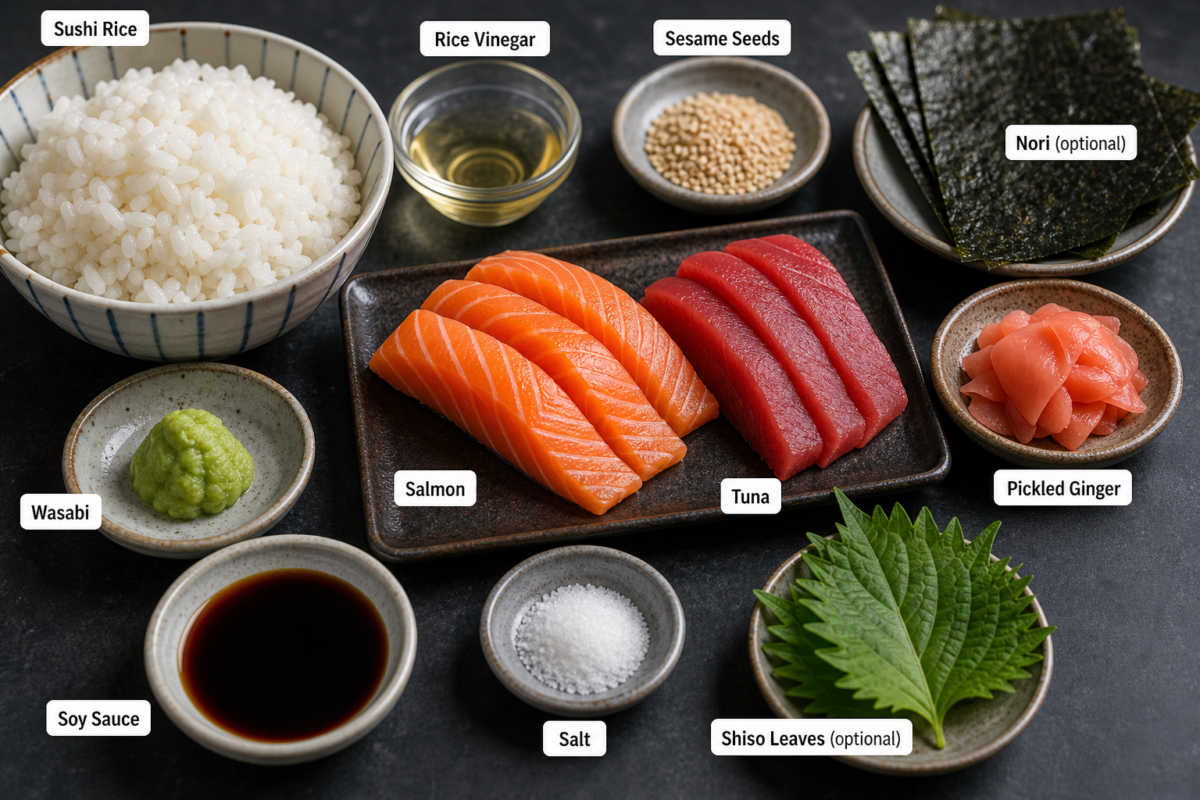
Master Ingredients List & Sourcing Tips
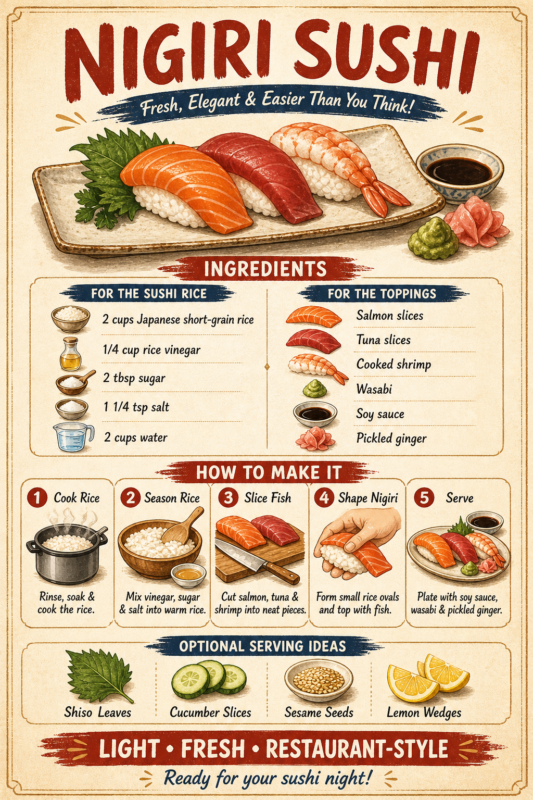
For the sushi rice
- 2 cups Japanese short-grain rice
- 2 cups water, adjusted to your rice cooker
- 1/4 cup rice vinegar
- 2 tablespoons sugar
- 1 1/4 teaspoons fine sea salt
For the toppings
- 8 ounces salmon, tuna, cooked shrimp, scallop, or tamago
- 1 teaspoon wasabi, optional
- Soy sauce, for serving
- Pickled ginger, for cleansing the palate
- Toasted nori strips, optional for tamago or eel-style toppings
Pro sourcing tips
Buy fish only from a trusted seafood market that can explain whether it is intended for raw preparation. The FDA advises buying seafood that is refrigerated or displayed on thick ice, and it highlights safe handling as essential for reducing foodborne illness risk.
For raw preparations, ask about freezing practices and handling. FDA guidance notes that parasites in uncooked or undercooked seafood can present a human health hazard, so proper sourcing and parasite-control freezing matter.
If raw fish makes you nervous, use cooked shrimp, seared salmon, smoked salmon, tamago, avocado, or roasted mushrooms. You still get beautiful Nigiri Sushi structure with lower stress.
| Ingredient | Best Choice | Practical Substitute |
|---|---|---|
| Rice | Japanese short-grain | Calrose rice |
| Fish | Professionally handled raw fish | Cooked shrimp or smoked salmon |
| Vinegar | Japanese rice vinegar | Mild white wine vinegar |
| Wasabi | Fresh wasabi or quality paste | Tiny dab of horseradish-style paste |
| Soy sauce | Light Japanese soy sauce | Low-sodium soy sauce |
Technical Equipment Needed
You do not need a restaurant counter, but the right tools help.
- Rice cooker or heavy pot: Controls moisture and prevents scorched rice.
- Hangiri or wide bowl: Helps season rice evenly. A wooden bowl is ideal, but a wide glass bowl works.
- Rice paddle: Folds seasoning without crushing grains.
- Sharp knife: Essential for clean fish slices.
- Cutting board: Use a clean board reserved for seafood.
- Small bowl of tezu: Mix water with a splash of rice vinegar to wet your hands.
- Digital scale: Keeps pieces consistent.
- Food thermometer: Helpful for food safety and rice cooling.
Chef’s Note: A dull knife ruins good fish faster than bad soy sauce. Sharpen first, slice once, and never saw back and forth.
The Masterclass: Step-by-Step Instructions
1. Rinse the rice
Place rice in a bowl. Cover with cold water, swirl gently, and drain. Repeat 4 to 6 times until the water looks mostly clear.
2. Soak the rice
Let rinsed rice rest in clean water for 20 minutes. This hydrates the center of each grain.
3. Cook the rice
Cook in a rice cooker or covered pot until tender. Let it steam, covered, for 10 minutes after cooking.
4. Make sushi vinegar
Warm rice vinegar, sugar, and salt just until dissolved. Do not boil it.
5. Season the rice
Transfer hot rice to a wide bowl. Sprinkle vinegar mixture over it. Fold with a cutting motion.
6. Cool the rice
Fan the rice gently while folding. Stop when it looks glossy and feels warm, not hot.
7. Prepare tezu
Mix 1/2 cup water with 1 tablespoon rice vinegar. Use this to lightly wet your fingers.
8. Prepare the fish
Pat fish dry with paper towels. Keep it chilled until slicing.
9. Slice the neta
Cut against the grain at a slight angle. Each slice should be about 2 1/2 inches long and 1 inch wide.
10. Portion the rice
Use about 18 to 20 grams rice per piece. Lightly wet your fingers first.
11. Shape the rice
Form a small oval. Keep it airy. Do not compress it like a rice ball.
12. Add wasabi
Place a tiny dab of wasabi on the underside of the fish if desired.
13. Press fish and rice together
Lay the fish over the rice. Press gently with two fingers on top and thumb underneath.
14. Refine the shape
Turn the piece once, press the sides lightly, and smooth the top.
15. Plate immediately
Arrange Nigiri Sushi in a clean line or gentle curve. Serve with soy sauce and pickled ginger.
16. Eat soon
Nigiri tastes best within minutes, while rice stays warm and fish stays cool.
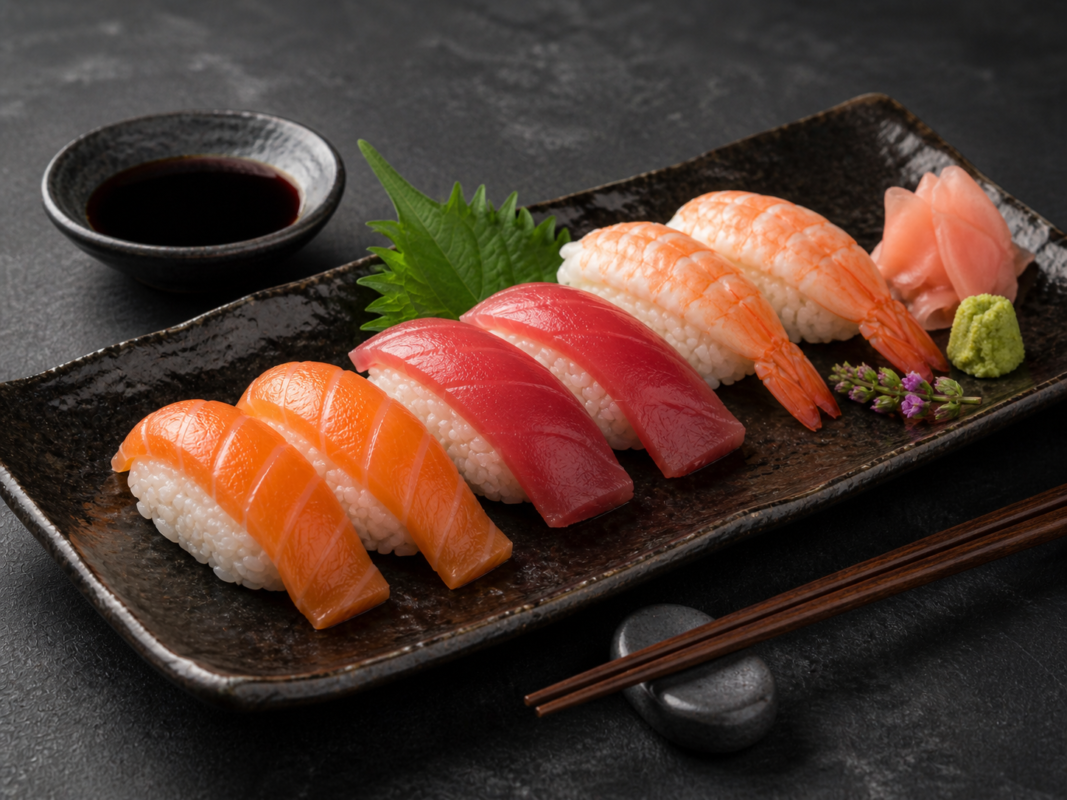
Nigiri Sushi Critical Success Factors
The biggest secret is contrast. The rice should be warm, the fish cool, the shape firm, and the bite soft. Use less wasabi than you think, less soy sauce than you want, and more care than the recipe seems to demand.
Troubleshooting: What to Do if Nigiri Sushi Falls Apart?
If your Nigiri Sushi falls apart, check three things. First, the rice may be too dry. Second, your hands may be too wet. Third, you may be pressing the fish on without supporting the rice underneath.
Fix it by slightly moistening your hands, reshaping with gentler pressure, and using a smaller rice portion. Also, serve soy sauce on the side and dip fish-side down to protect the rice.
Advanced Techniques for Professionals
Brush the fish with a light soy glaze instead of dipping. Score squid or scallop gently to improve tenderness. Add a thin lemon zest strip to white fish. For salmon, try a quick torch sear to create aroma through surface browning.
For a polished counter-style finish, align every piece in the same direction and vary toppings by richness: white fish first, then salmon, tuna, eel, and egg.
Flavor Pairing & Sommelier Notes
Nigiri Sushi loves clean, bright drinks. Try chilled sake, dry Riesling, Champagne, green tea, sparkling water with yuzu, or cucumber-mint water.
For sides, choose balance. Miso soup adds warmth. Sunomono cucumber salad adds acidity. Edamame gives protein and texture. Seaweed salad brings ocean flavor, but use it lightly so it does not overpower the fish.
Avoid heavy sauces, creamy dips, and sweet cocktails. Nigiri works best when the palate stays clean.
Storage, Reheating & Meal Prep
Do not store assembled raw Nigiri Sushi for 3 to 5 days. That is not a quality issue; it is a safety issue. Raw seafood needs careful handling, and the FDA emphasizes safe buying, storage, and preparation for seafood.
For meal prep, cook and season the rice shortly before serving. Keep fish chilled until the last moment. If you must store leftovers, refrigerate cooked toppings separately and eat them within 24 hours. Discard raw assembled nigiri if it has sat at room temperature too long.
Do not reheat raw fish nigiri. For cooked shrimp or tamago nigiri, remove toppings, gently microwave the rice for a few seconds, then reassemble. Still, fresh is far better.
Variations: Global Twists on a Classic
Vegan nigiri
Use avocado, roasted red pepper, marinated tofu, grilled eggplant, or king oyster mushroom. Brush with soy glaze.
Keto-inspired nigiri
Replace rice with compact cauliflower rice mixed with cream cheese. It is not traditional, but it gives a low-carb party bite.
Spicy nigiri
Add chili crisp, sriracha mayo, or yuzu kosho. Use restraint so the topping still tastes clear.
Regional Japanese-style variations
Try tamago nigiri with nori, anago-style eel with tare sauce, or scallop with lemon and sea salt.
Family-friendly cooked version
Use cooked shrimp, smoked salmon, crab stick, omelet, or seared beef. This makes Nigiri Sushi approachable for beginners.
Nutrition Science
Estimated nutrition per 2 pieces of salmon Nigiri Sushi:
| Nutrient | Approximate Amount |
|---|---|
| Calories | 120–150 |
| Protein | 7–10 g |
| Carbohydrates | 18–22 g |
| Fat | 2–5 g |
| Sodium | Varies with soy sauce |
| Omega-3 fats | Higher with salmon or tuna |
Nigiri offers lean protein, carbohydrates for energy, and minerals from seafood. However, soy sauce can raise sodium quickly, so use a light dip. Fish choice also changes nutrition. Salmon brings more fat and omega-3s, while shrimp tastes leaner and lighter.
People who are pregnant, immunocompromised, elderly, or serving young children should be especially careful with raw seafood and may prefer cooked toppings.
Comparison Table: Homemade vs. Restaurant Method
| Feature | Homemade Method | Traditional Counter Method |
|---|---|---|
| Rice | Simple seasoned short-grain rice | Chef-adjusted shari blend |
| Fish | Trusted market fish or cooked toppings | Professionally sourced seasonal neta |
| Shaping | Gentle hand-formed ovals | Highly trained pressure control |
| Serving | Platter style | Piece-by-piece service |
| Best for | Learning and entertaining | Peak precision and omakase experience |
Internal & External Links
Internal Link Suggestion: Link to [Insert Site Section]/sushi-rice-guide/ with anchor text perfect sushi rice guide.
External Authority Link: FDA seafood safety guidance is useful for readers who want safe buying, handling, and storage details for seafood.
Culinary Authority Link: Michelin notes that shari, or vinegared sushi rice, is central to Edomae nigiri quality.
Frequently Asked Questions
What is Nigiri Sushi?
Nigiri Sushi is hand-pressed vinegared rice topped with fish, seafood, egg, or vegetables. It is not rolled in seaweed like maki.
Can I make Nigiri Sushi without raw fish?
Yes. Use cooked shrimp, smoked salmon, tamago, avocado, tofu, or mushrooms. The shaping method stays the same.
What rice is best for Nigiri Sushi?
Japanese short-grain rice works best because it becomes sticky enough to hold together while staying tender.
How much fish do I need per person?
Plan 6 to 8 pieces per person for a light meal, or 10 to 12 pieces for a sushi-night dinner.
Why does my sushi rice feel mushy?
You may have used too much water, skipped rinsing, or crushed the rice while seasoning. Fold gently and measure carefully.
Conclusion & Community Engagement
Mastering Nigiri Sushi starts with respect for rice, fish, and timing. Keep the rice warm, the topping cool, and your hands gentle. Once you understand that balance, every piece becomes cleaner, softer, and more elegant.
Now try this recipe with two toppings: one raw or seared, and one cooked or vegetarian. Then share which topping gave you the best bite, the prettiest plate, or the biggest “I made this?” moment.