

Margherita Pizza Recipe: Best Classic Italian Tips
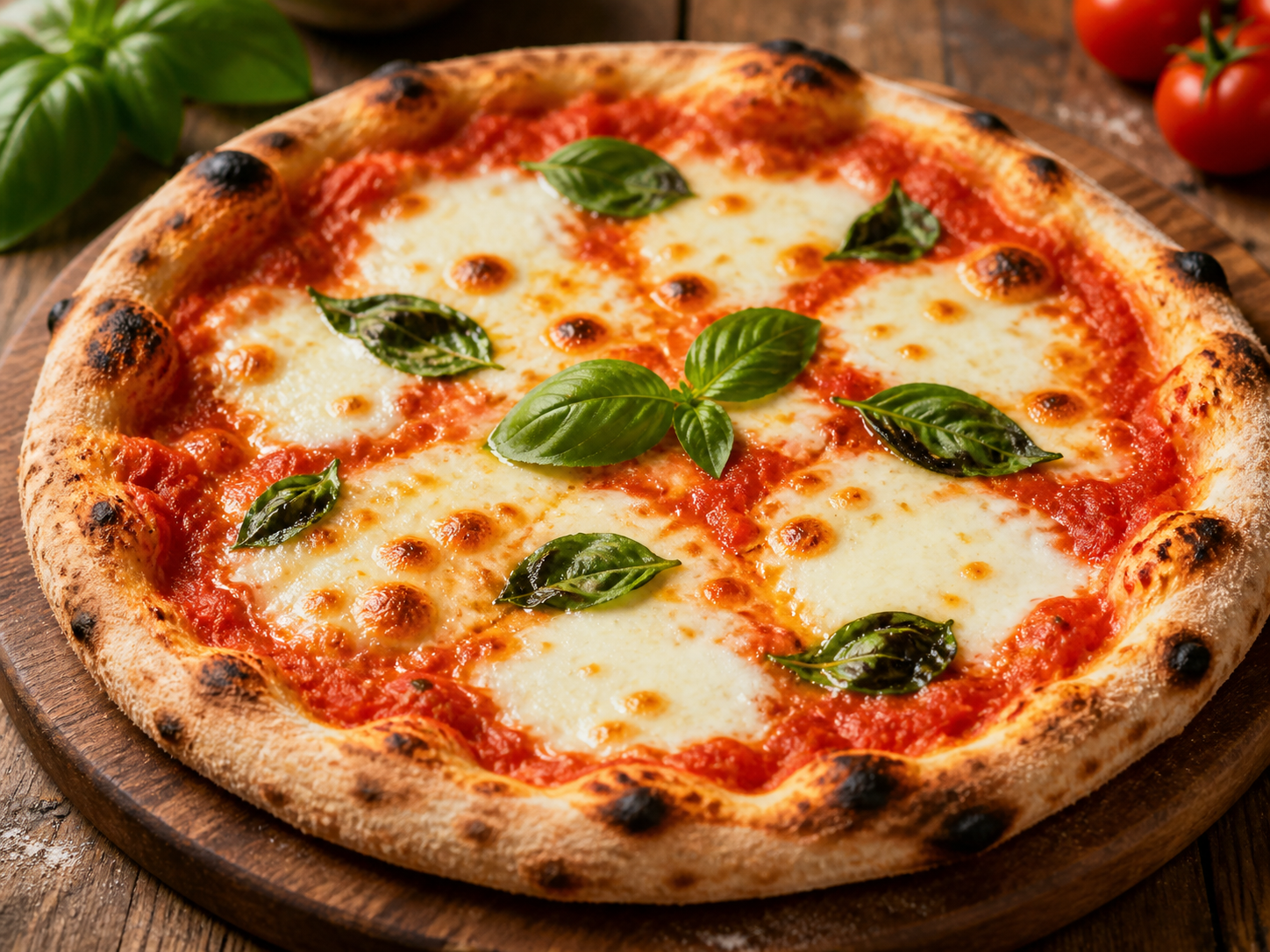
Margherita Pizza i the kind of recipe that proves simple food can feel unforgettable. With blistered dough, sweet tomato sauce, creamy mozzarella, fresh basil, and a drizzle of olive oil, Margherita Pizza delivers everything people love about Italian cooking in one beautiful bite.
This classic dish comes from Naples, where pizza became a proud part of everyday food culture. It looks simple, yet every detail matters: the dough needs time, the sauce should taste bright, and the toppings must stay balanced. When you make it at home, the goal is not to overload the crust. Instead, you let a few excellent ingredients shine.
The beauty of Margherita Pizza lies in its contrast. The crust turns crisp at the edges but stays soft and chewy inside. The tomato adds acidity, the mozzarella melts into creamy pockets, and basil brings a fresh herbal finish. Moreover, the colors mirror the Italian flag: red tomato, white cheese, and green basil.
This recipe gives you a practical home-kitchen method with chef-style tips. You do not need a professional oven to enjoy great results. However, you do need high heat, rested dough, and a light hand with toppings.
What is Margherita Pizza?
Margherita Pizza is a traditional Italian pizza made with a thin hand-stretched dough, tomato sauce, mozzarella, fresh basil, and extra virgin olive oil. It is one of the best-known Neapolitan-style pizzas, and it remains popular because it celebrates quality over quantity.
Unlike heavy pizzas loaded with many toppings, Margherita Pizza relies on harmony. The dough forms the base, the tomato brings sweetness and acidity, the mozzarella adds richness, and the basil gives perfume. Each ingredient plays a clear role, so nothing feels random or excessive.
Food historians often connect this pizza with Naples and the famous story of Queen Margherita of Savoy, who was served a tomato, mozzarella, and basil pizza in the colors of the Italian flag. Some sources note that similar toppings existed in Naples before that story became famous, but the royal legend helped make the dish iconic. Britannica describes pizza as a food that developed in Naples, while UNESCO recognizes the craft of the Neapolitan pizzaiuolo as an important culinary practice involving dough preparation and wood-fired baking.
Today, home cooks around the world make Margherita Pizza because it feels elegant but approachable. It works for weeknight dinners, weekend cooking projects, casual parties, and cozy family meals. Most importantly, it teaches one of the best lessons in cooking: when your ingredients taste good, you do not need to hide them.
Ingredients for Margherita Pizza
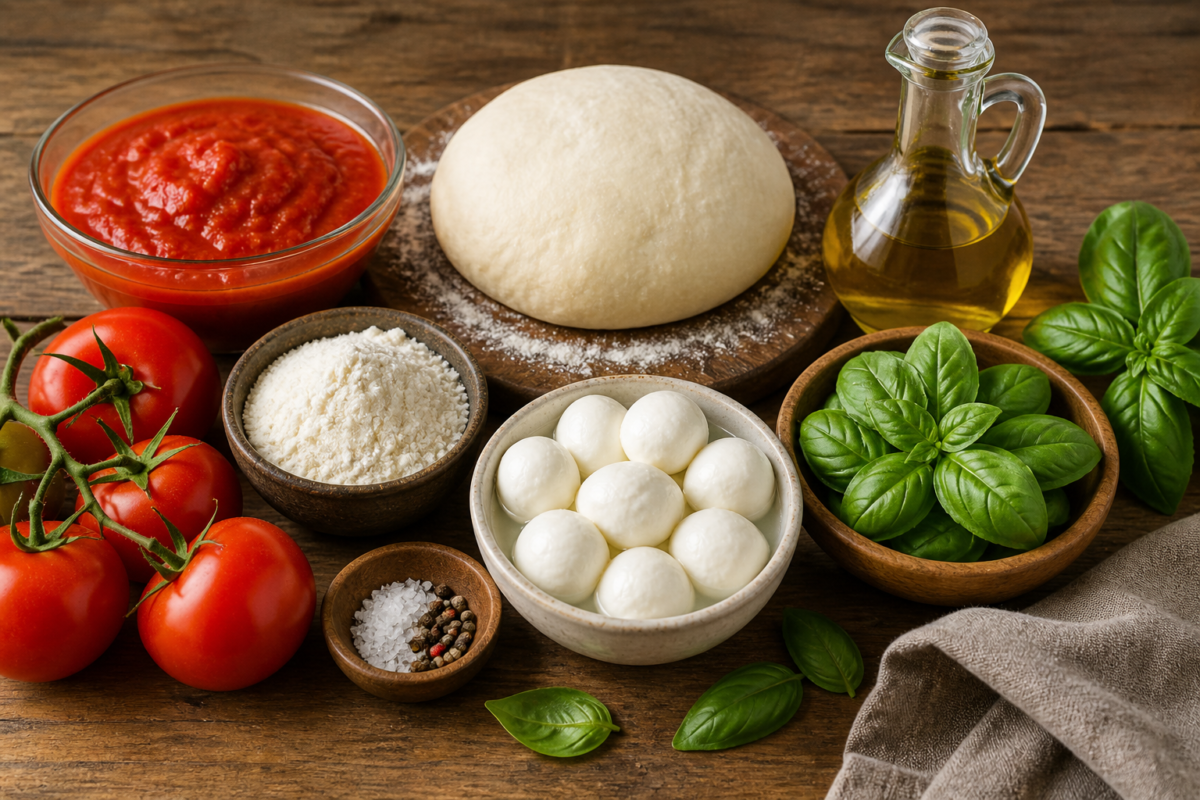
Use fresh, simple ingredients. Since Margherita Pizza has very few toppings, quality makes a huge difference.
For the Dough
- 3 1/2 cups bread flour or Italian 00 flour
- 1 1/3 cups lukewarm water
- 2 teaspoons fine sea salt
- 1 teaspoon instant yeast
- 1 tablespoon extra virgin olive oil, optional
- 1 teaspoon sugar, optional, for quicker browning in a home oven
For the Tomato Sauce
- 1 cup canned San Marzano-style tomatoes or high-quality whole peeled tomatoes
- 1 tablespoon extra virgin olive oil
- 1 small garlic clove, finely grated, optional
- 1/2 teaspoon fine sea salt
- 1/4 teaspoon black pepper
- Pinch of sugar, only if tomatoes taste sharp
For the Topping
- 7 ounces fresh mozzarella, torn and drained well
- 8 to 10 fresh basil leaves
- 1 to 2 tablespoons extra virgin olive oil
- Fine sea salt, to finish
- Semolina or flour, for dusting
Ingredient Notes
Choose bread flour if you want a chewy crust. Choose 00 flour if you want a softer, more delicate Neapolitan-style bite. Fresh mozzarella gives the best creamy texture, but it contains moisture. Therefore, tear it into pieces and drain it on paper towels for at least 20 minutes before topping the pizza.
For the sauce, do not cook it heavily. A fresh tomato sauce keeps Margherita Pizza bright and clean. Crush the tomatoes by hand or pulse them briefly, then season lightly. Finally, use basil after baking or during the last minute of baking so it stays fragrant instead of burnt.
Step-by-Step Instructions
- Make the Dough
Add lukewarm water to a large bowl. Stir in the yeast and let it sit for 2 minutes. Add the flour and salt, then mix until a rough dough forms. If using olive oil or sugar, add them now.
Knead the dough for 8 to 10 minutes by hand, or 5 to 6 minutes in a stand mixer on low speed. The dough should feel smooth, stretchy, and slightly tacky.
- Let the Dough Rise
Place the dough in a lightly oiled bowl. Cover it and let it rise at room temperature for 1 1/2 to 2 hours, or until puffy. For deeper flavor, refrigerate it for 12 to 24 hours after the first rise. Slow fermentation improves texture and gives the crust a more complex taste.
- Divide and Rest
Divide the dough into two equal balls. Shape each ball by tucking the edges underneath until the top looks smooth. Cover and rest for 30 to 45 minutes. This step relaxes the gluten, making the dough easier to stretch without tearing.
- Prepare the Sauce
Crush the tomatoes in a bowl. Stir in olive oil, salt, pepper, and garlic if using. Taste the sauce. It should taste fresh, lightly seasoned, and slightly sweet. Do not add too much salt because mozzarella also brings saltiness.
- Preheat the Oven
Place a pizza stone or steel on the middle or upper rack. Preheat the oven to its highest setting, usually 500°F to 550°F. Heat the stone for at least 45 minutes. High heat helps Margherita Pizza develop a crisp base and blistered edges.
If you do not have a stone, use an upside-down heavy baking sheet. Preheat it the same way. Although it will not hold heat like a stone, it still improves crust texture.
- Stretch the Dough
Lightly flour your work surface. Press one dough ball from the center outward, leaving a thicker rim around the edge. Lift the dough and gently stretch it over your knuckles until it reaches about 10 to 12 inches wide.
Avoid rolling the dough with a pin if you want an airy crust. Rolling pushes out the gas bubbles that create a light, chewy edge.
- Add the Toppings
Transfer the stretched dough to a floured pizza peel or parchment paper. Spread a thin layer of tomato sauce over the center, leaving the rim uncovered. Add drained mozzarella pieces, leaving space between them. Drizzle lightly with olive oil.
Do not overload the pizza. Too much sauce or cheese can make the center wet. A proper Margherita Pizza should taste balanced, not heavy.
- Bake Until Blistered
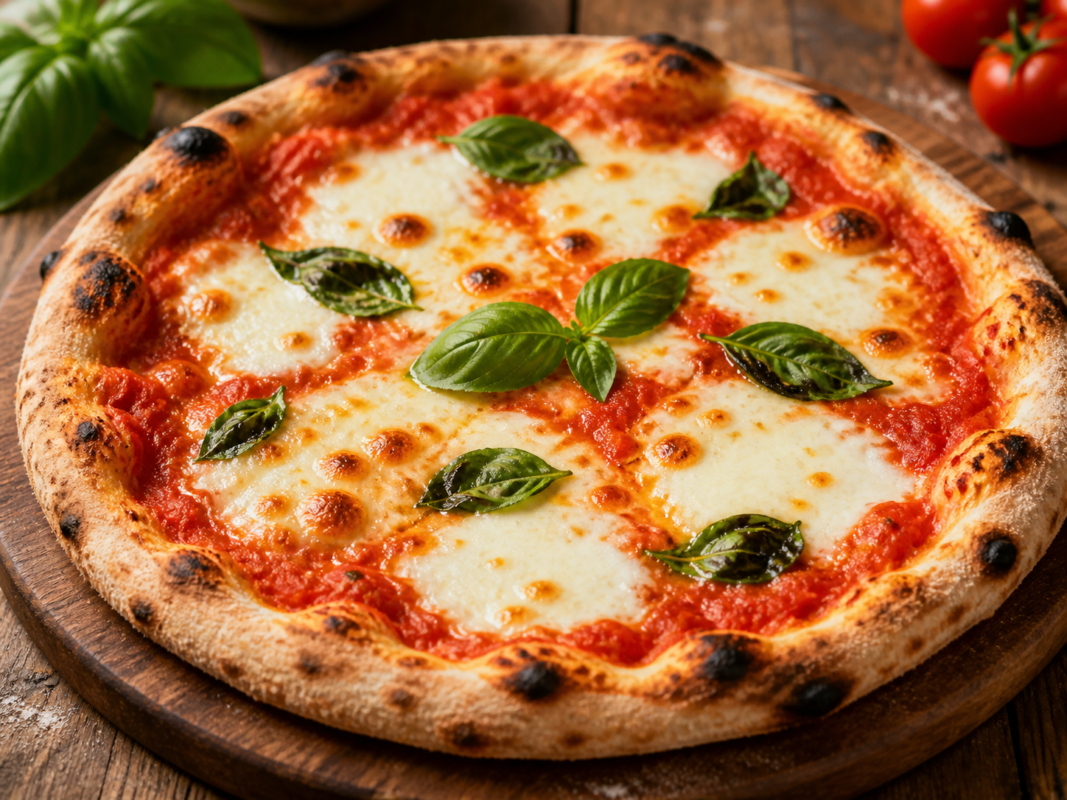
Slide the pizza onto the hot stone or steel. Bake for 7 to 10 minutes, depending on your oven. Rotate once if needed. The crust should puff, the cheese should melt, and the edges should show golden brown spots.
If your oven has a broiler, turn it on for the last 1 to 2 minutes. Watch closely so the crust does not burn.
- Finish with Basil
Remove the pizza from the oven. Add fresh basil leaves right away, then finish with a small drizzle of olive oil and a pinch of sea salt. Let it rest for 2 minutes before slicing. This short rest helps the cheese settle slightly.
- Slice and Serve
Cut into wedges with a sharp pizza wheel. Serve hot while the crust still crackles and the mozzarella stays creamy. The first bite should taste bright, fragrant, and lightly smoky from the high heat.
Margherita Pizza Cooking Tips for Best Results
Use very high heat. Home ovens do not reach the temperature of traditional pizza ovens, so preheating matters. A hot stone or steel gives the dough an instant burst of heat and helps prevent a pale, soft base.
Drain the mozzarella. Fresh mozzarella tastes wonderful, but excess moisture can water down the sauce. Tear it into small pieces and let it sit on paper towels before using it.
Keep the sauce thin. A light layer of tomato sauce works better than a thick one. If you add too much, the dough may steam instead of bake.
Rest the dough properly. Tight dough fights back when stretched. If that happens, cover it and wait 10 minutes. The gluten will relax, and the dough will stretch more easily.
Use basil carefully. Basil burns quickly in a hot oven. Add it after baking for a brighter flavor, or add half before baking and half after if you like a deeper herbal aroma.
Avoid cold dough. Cold dough can spring back and bake unevenly. Let refrigerated dough sit at room temperature for about 60 minutes before shaping. Finally, slice with a sharp cutter so the toppings stay in place.
Serving Suggestions
Margherita Pizza tastes best hot from the oven, when the crust is crisp, the cheese is melted, and the basil smells fresh. Serve it on a wooden board for a rustic pizzeria-style presentation.
For a simple meal, pair it with a green salad dressed with lemon juice, olive oil, salt, and black pepper. The salad cuts through the richness of the cheese and keeps the plate fresh.
For a cozy dinner, serve it with roasted vegetables, marinated olives, or a tomato cucumber salad. Garlic bread is delicious, but you may prefer something lighter since the pizza already includes bread, cheese, and oil.
For drinks, sparkling water with lemon works beautifully. A light Italian red wine, crisp white wine, or alcohol-free spritz also pairs well. Moreover, iced tea with citrus can balance the tomato and basil flavors.
If serving Margherita Pizza for guests, bake several smaller pizzas instead of one large pizza. Small pizzas cook faster, look charming, and let everyone enjoy a fresh slice right away.
Variations & Alternatives
Healthy Version
Use part whole wheat flour in the dough for more fiber. Add less cheese and use a slightly thicker tomato layer for more vegetable flavor. You can also serve the pizza with a large salad to make the meal feel lighter.
Spicy Version
Add a pinch of red pepper flakes to the sauce or drizzle the finished pizza with chili oil. This variation keeps the classic base but adds gentle heat. However, avoid overpowering the basil and mozzarella.
Extra Cheesy Version
Add a small amount of grated Parmesan or pecorino before baking. The flavor becomes deeper and saltier. Use only a little so the fresh mozzarella still remains the star.
Vegetarian Garden Version
Margherita Pizza is already vegetarian, but you can add thin slices of roasted zucchini, cherry tomatoes, or sweet peppers. Keep the toppings light so the crust stays crisp.
Gluten-Free Version
Use a high-quality gluten-free pizza flour blend and follow the package hydration instructions. Gluten-free dough often needs a different water ratio, so avoid swapping flour without adjusting the method.
Outdoor Grill Version
Heat a grill as hot as possible. Cook the stretched dough for 1 to 2 minutes on one side, flip it, add toppings, then close the lid until the cheese melts. This method gives a smoky flavor that works beautifully with tomato and basil.
Nutrition Information
The nutrition values below are estimates for one serving, based on one quarter of a 12-inch pizza.
- Calories: 285
- Carbohydrates: 36 g
- Protein: 12 g
- Fat: 10 g
- Saturated fat: 4 g
- Fiber: 2 g
- Sugar: 3 g
- Sodium: 520 mg
Nutrition can change based on flour type, cheese amount, sauce brand, and serving size. For a lighter Margherita Pizza, use less mozzarella and add extra basil and tomato. For a richer version, add more olive oil and cheese.
Conclusion
Margherita Pizza proves that a few excellent ingredients can create a meal with real character. When you combine rested dough, bright tomato sauce, creamy mozzarella, fresh basil, and good olive oil, you get a pizza that tastes both simple and special.
Make this recipe when you want comfort food that still feels elegant. Moreover, use it as a foundation for learning better dough handling, smarter topping balance, and high-heat baking. Once you master Margherita Pizza, you can create endless homemade pizza variations with confidence.
Try it this week, serve it hot, and share it with people who love fresh Italian flavor. If you enjoyed the recipe, leave a comment, rate it, and tell us whether you prefer extra basil, extra cheese, or a crispier crust.
Frequently Asked Questions
What makes Margherita Pizza different from regular cheese pizza?
Margherita Pizza uses a simple combination of tomato sauce, fresh mozzarella, basil, and olive oil. Regular cheese pizza often uses shredded low-moisture mozzarella and may include a heavier sauce or thicker cheese layer. The Margherita style tastes fresher, lighter, and more ingredient-focused.
Can I make Margherita Pizza without a pizza stone?
Yes. Use an upside-down baking sheet and preheat it at the highest oven temperature for at least 30 to 45 minutes. The crust may not blister as much, but it will still bake well if the pan is very hot.
What is the best cheese for Margherita Pizza?
Fresh mozzarella works best because it melts into creamy pools and gives a classic texture. Fior di latte mozzarella offers a mild, milky taste, while buffalo mozzarella tastes richer and tangier. Always drain fresh mozzarella before baking.
Should basil go on before or after baking?
Add basil after baking for the freshest flavor and brightest color. You can add a few leaves before baking if you like a deeper aroma, but basil can darken quickly in high heat.
Why is my Margherita Pizza soggy?
Sogginess usually comes from too much sauce, wet mozzarella, underheated baking equipment, or overloaded toppings. Drain the cheese, use a thin sauce layer, and preheat your stone, steel, or baking sheet fully.
Can I freeze the dough?
Yes. After the first rise, divide the dough into balls, coat lightly with oil, and freeze in airtight bags for up to 2 months. Thaw overnight in the refrigerator, then bring to room temperature before shaping.